Ybexthon
Full stack stock market platform designed to analyze, connect, and filter companies through custom rules based on financial statements and real-time market data. It is currently in a prototype phase and under continuous development.
The source code is not publicly available, as this project is being actively developed as a personal product. A live demo and a detailed explanation of the system are provided. I am available to answer any technical or functional questions about the project.
Motivation
Ybexthon was created out of the need to have proprietary tools to research the market beyond traditional filters. My objective has always been to develop a stock analysis application that allows companies to be examined in a more flexible and in-depth way.
Rather than being a closed application, Ybexthon is an evolving laboratory, a space where each new idea can be transformed into a rule, a relationship, or a measurable experiment, enabling companies to be analyzed from less conventional perspectives and continuously expanding analytical possibilities.
Focus
The platform integrates frontend, backend, database, and financial APIs to deliver structured real-time data analysis. It includes user management, authentication, full deployment setup, and automated background processes in Python for continuous analysis and user-specific customization. Additionally, it incorporates specialized agents and a custom AI orchestrator.
Core features
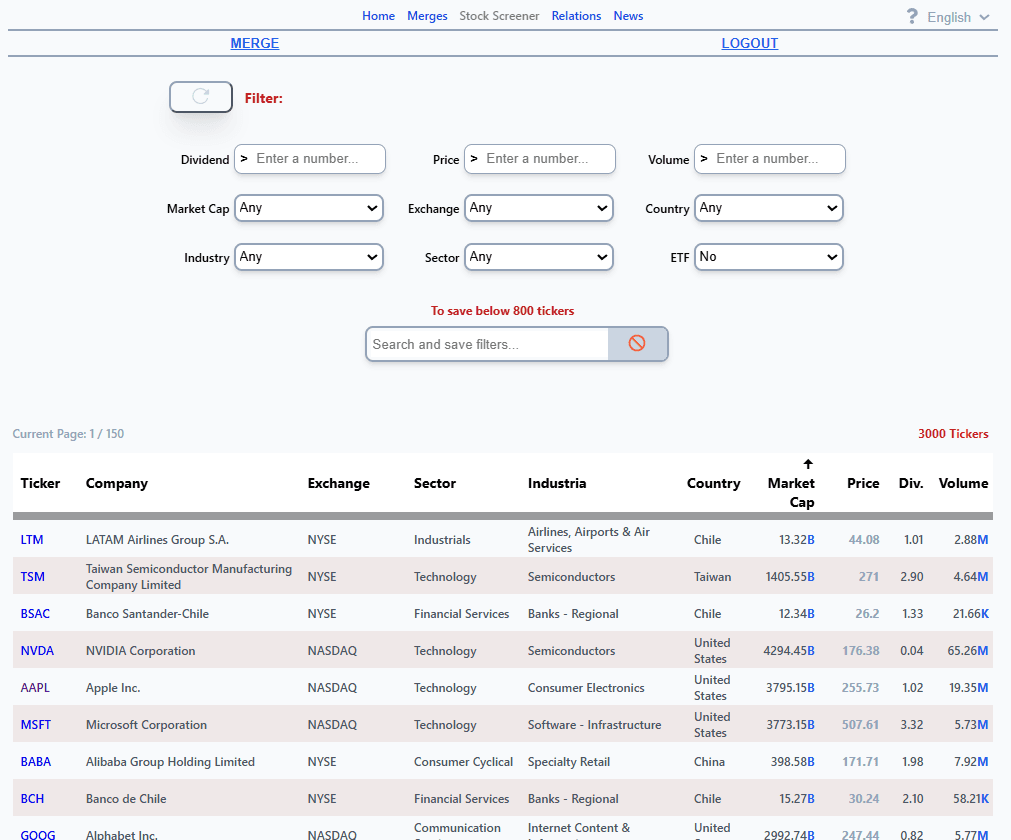
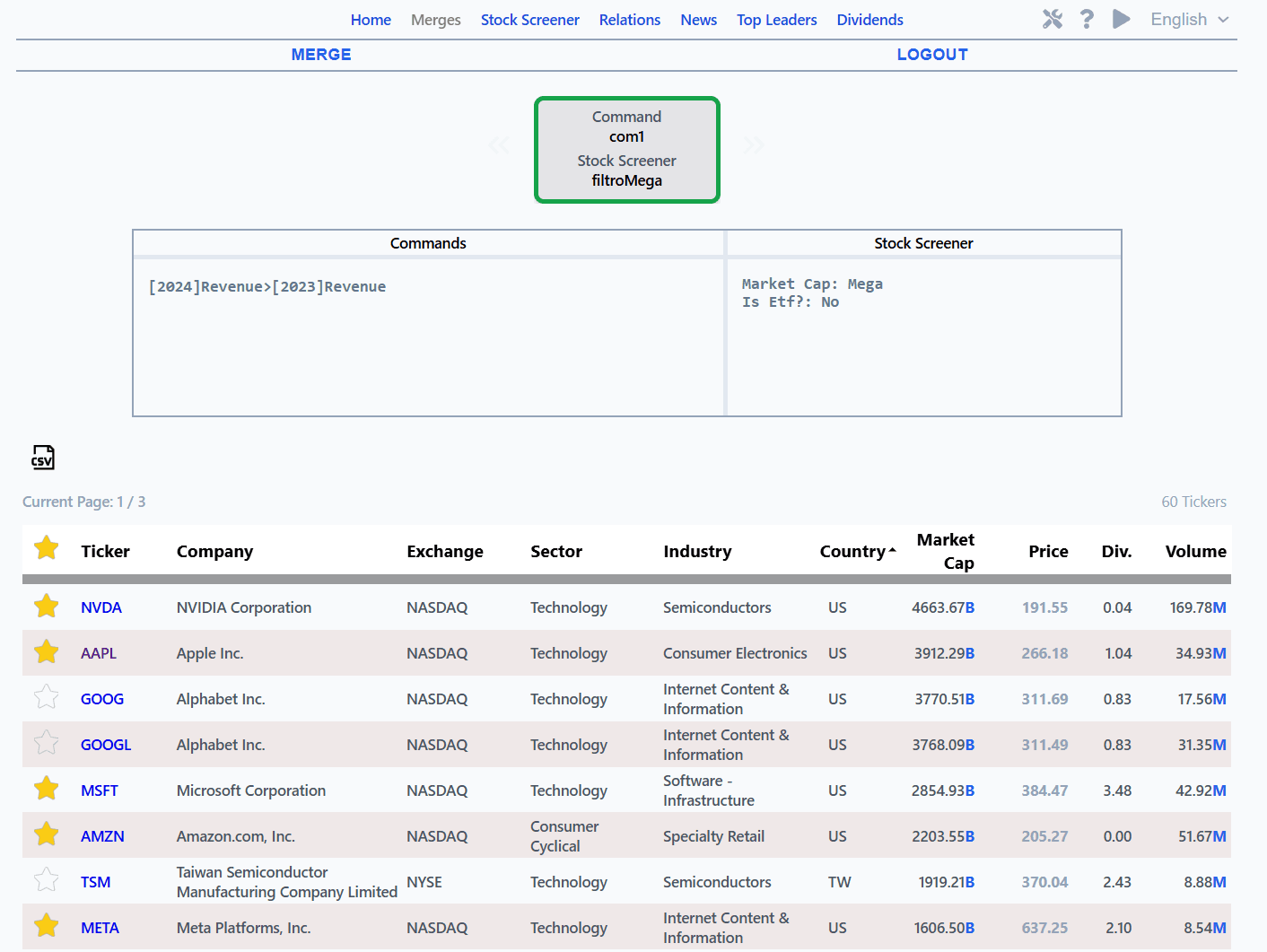
- Configurable stock screener.
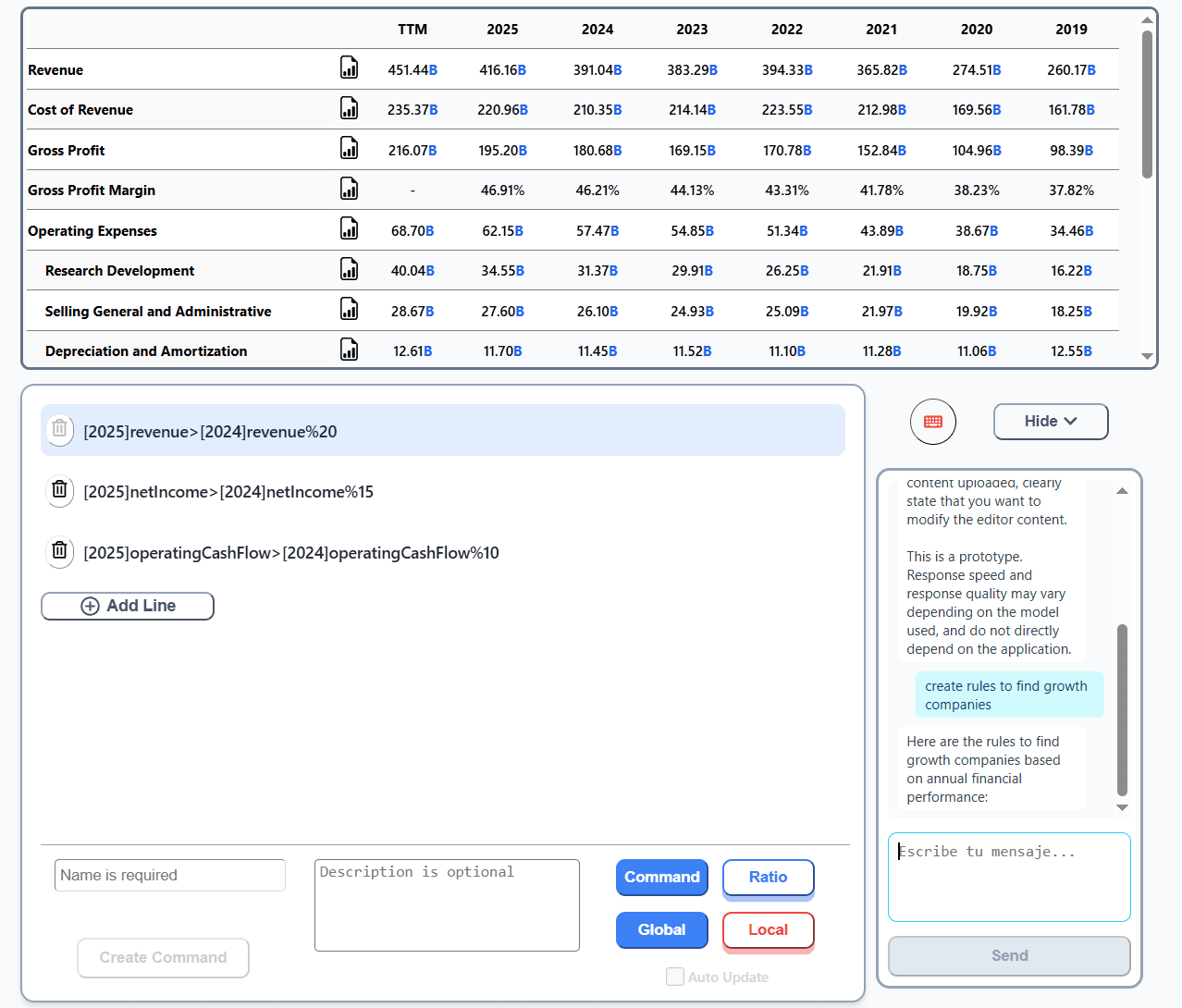
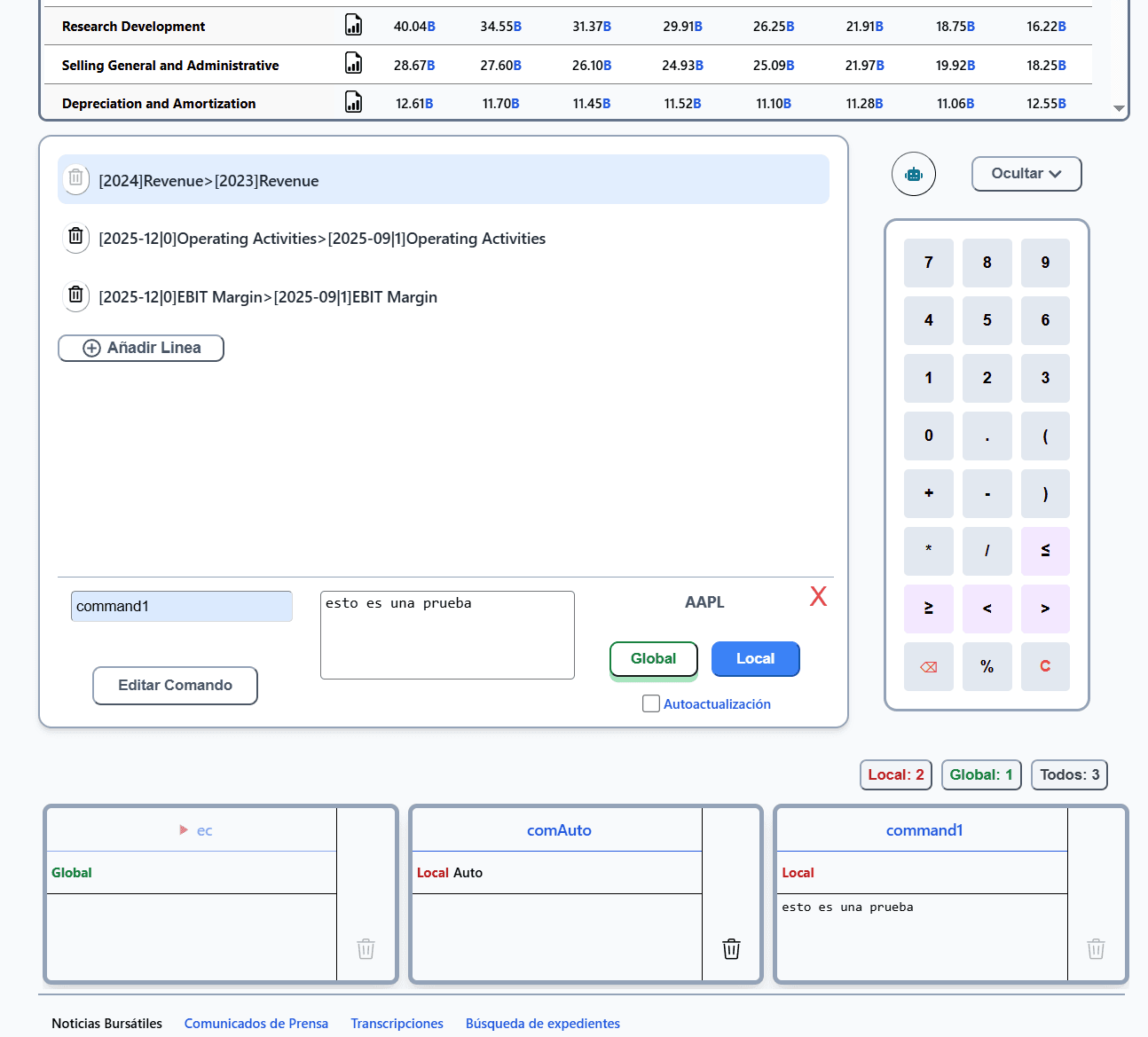
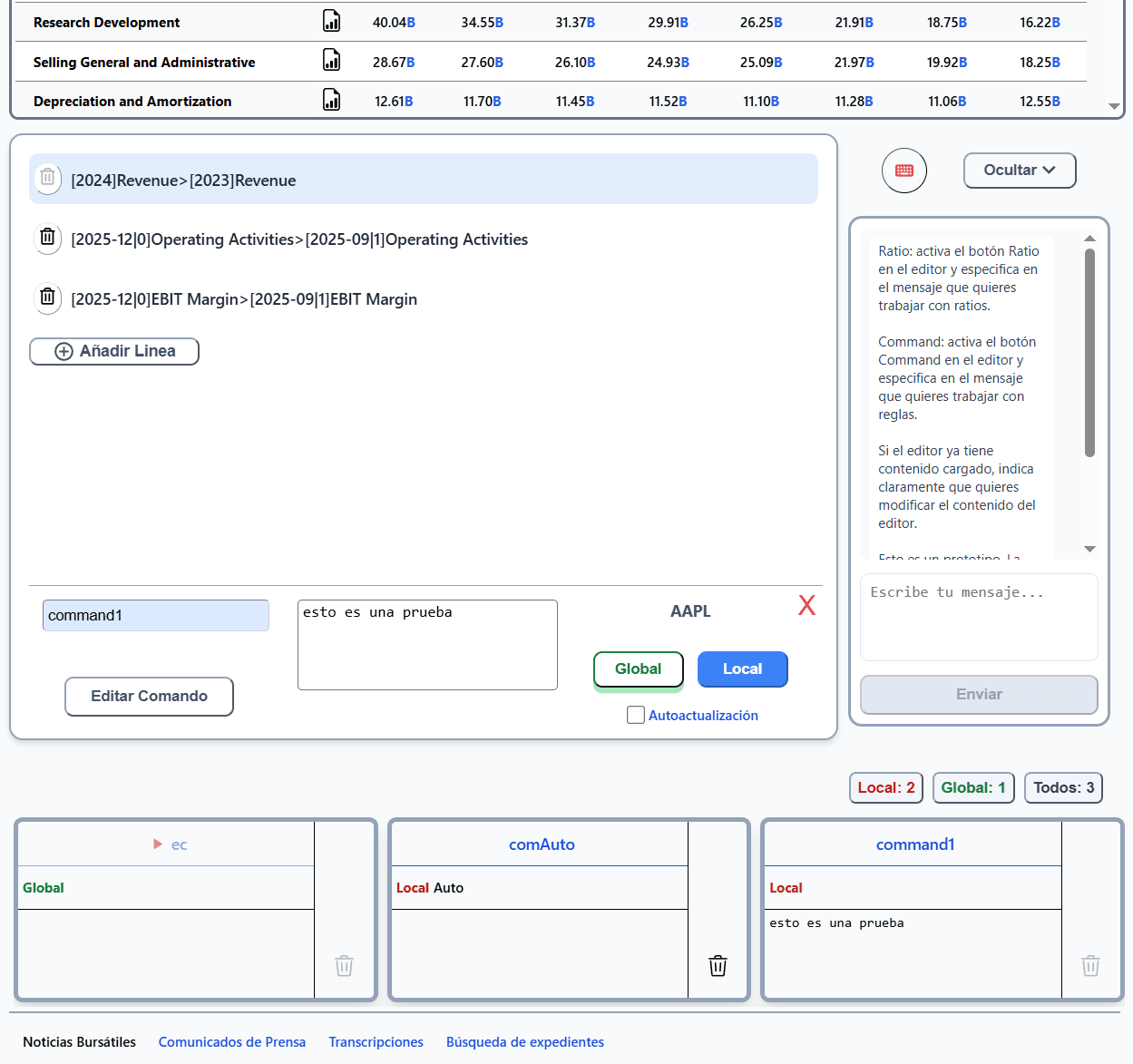
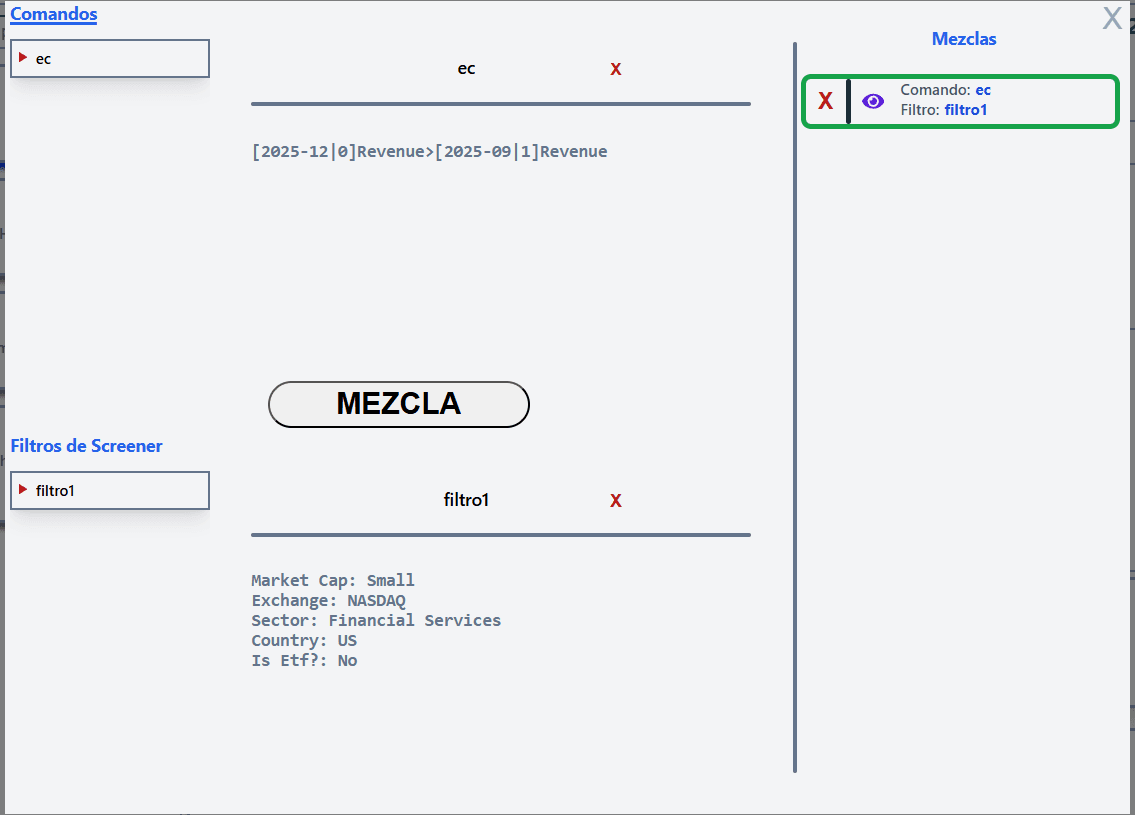
- Custom rule editor for financial statements.
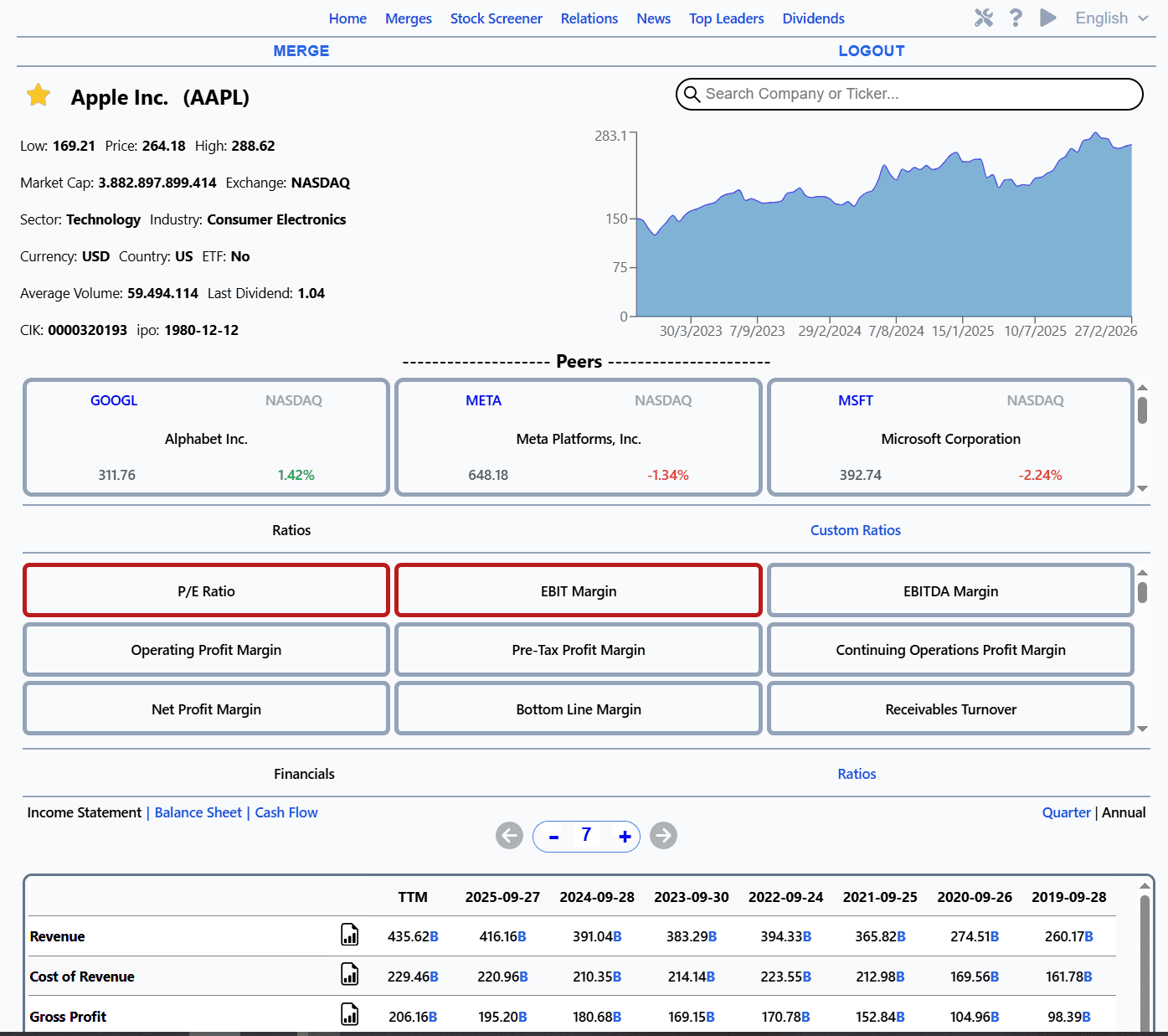
- Creation of custom financial ratios.
- Dynamic combination of filters and rules.
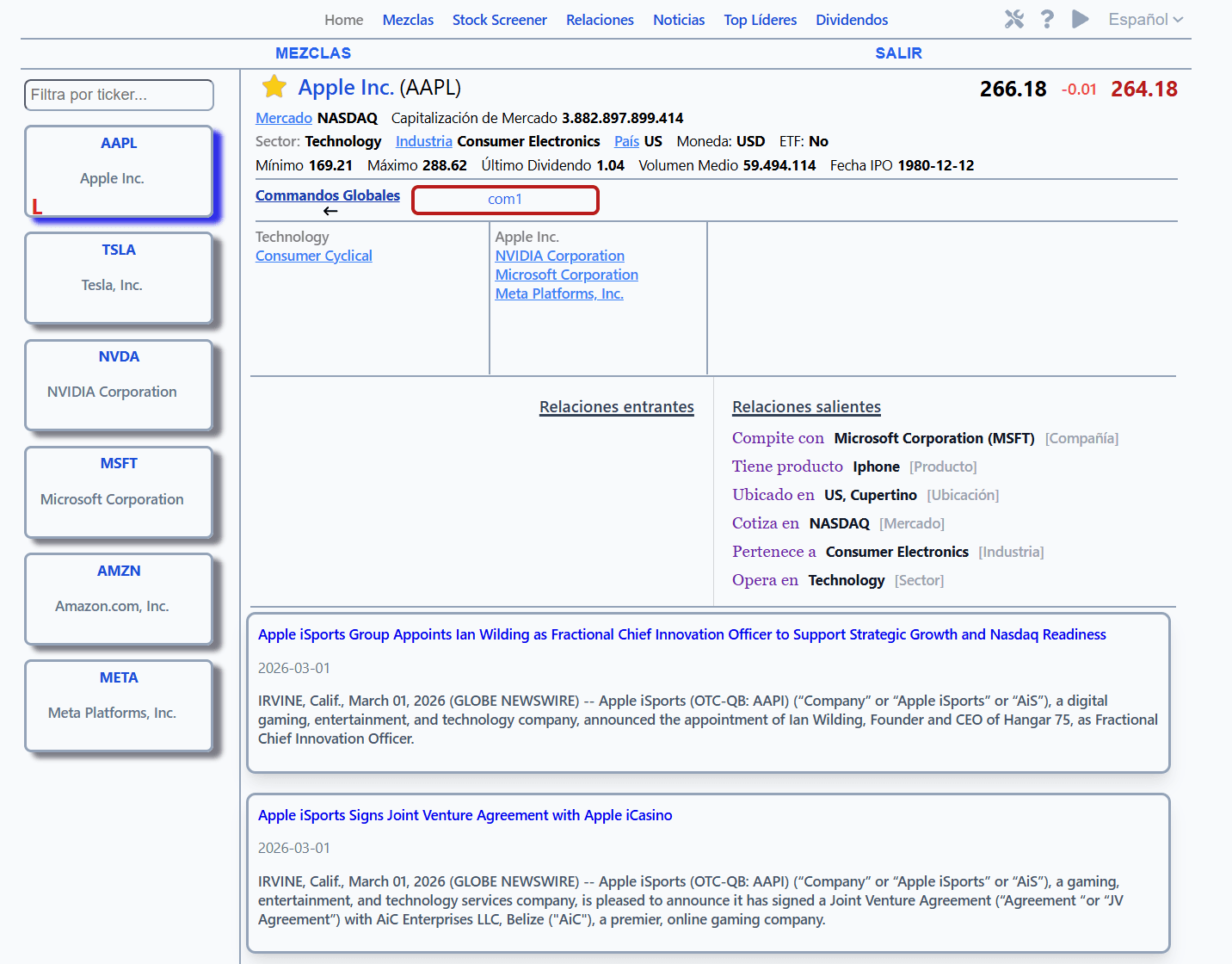
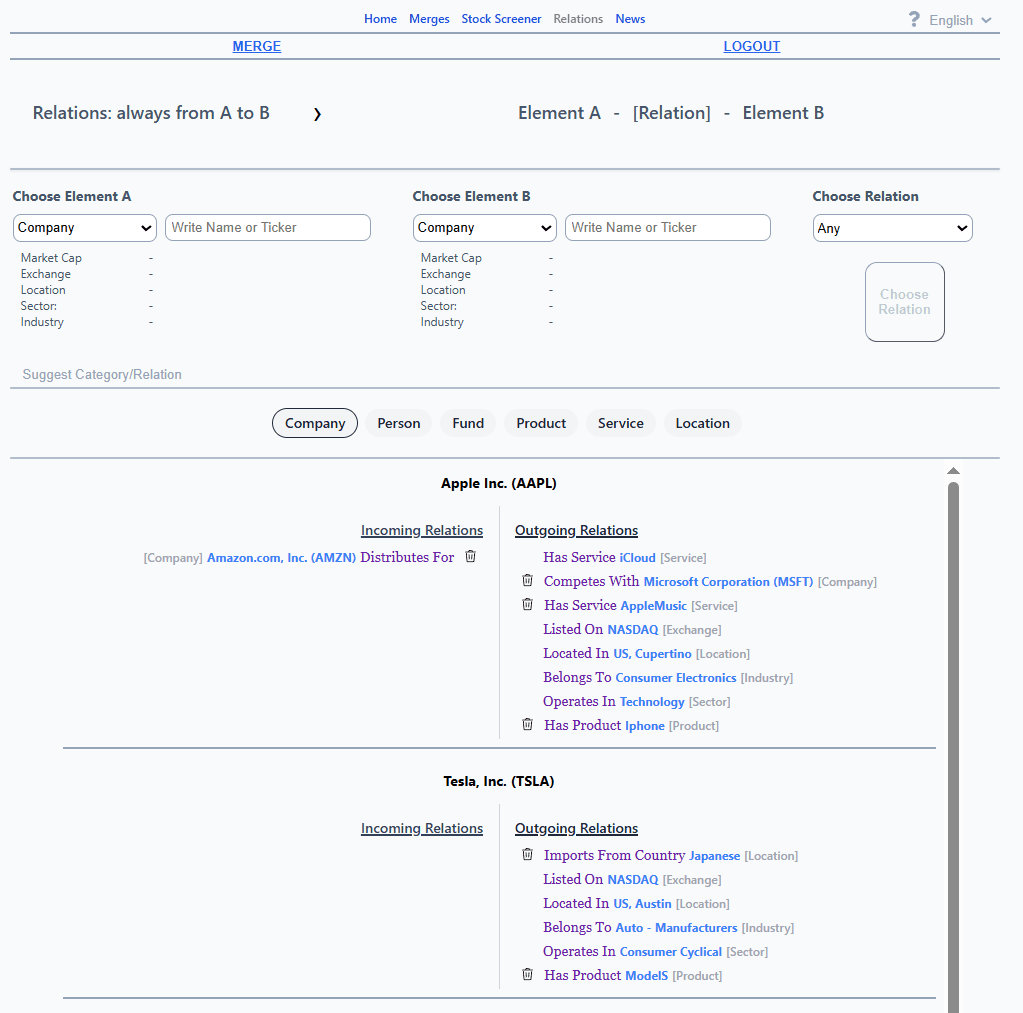
- Relationship mapping between companies, sectors, and products.
- Structured visualization of results.
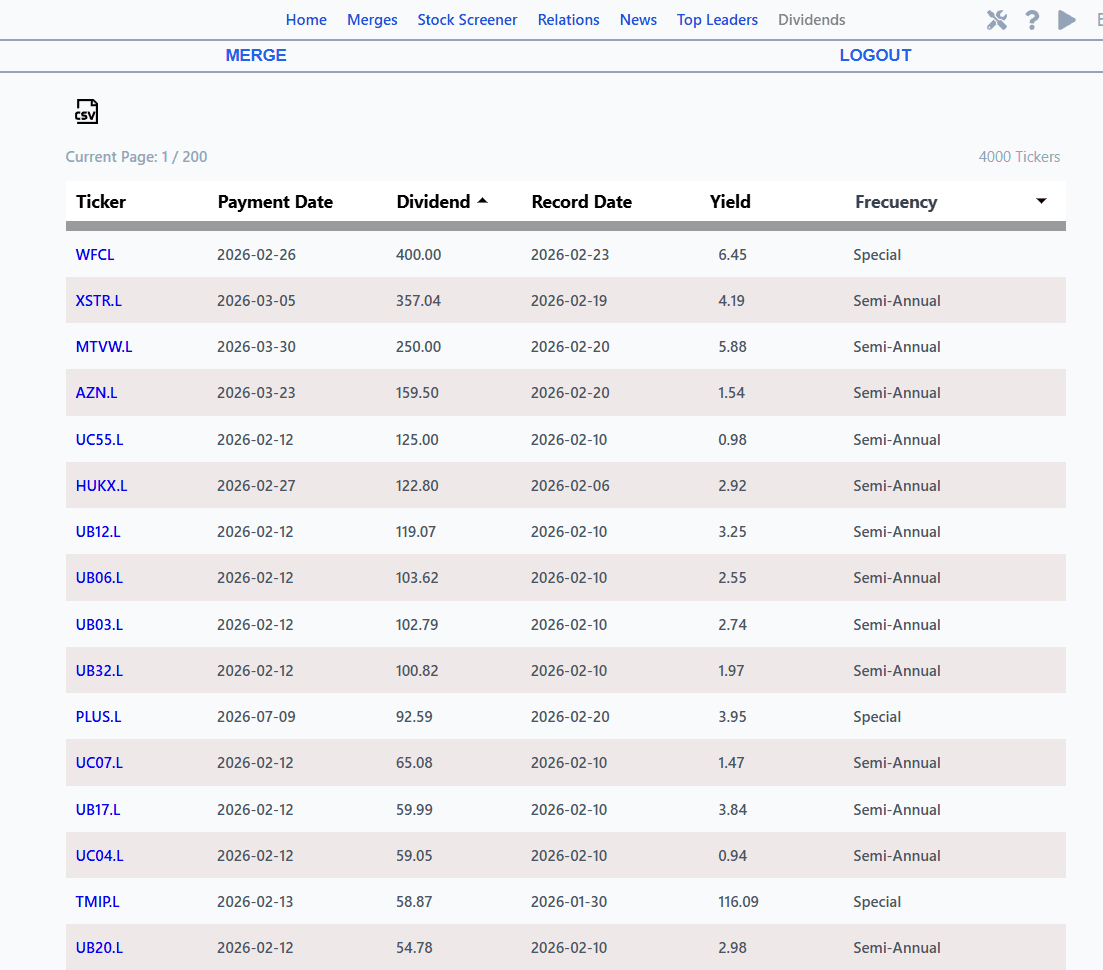
- Dividend calendar.
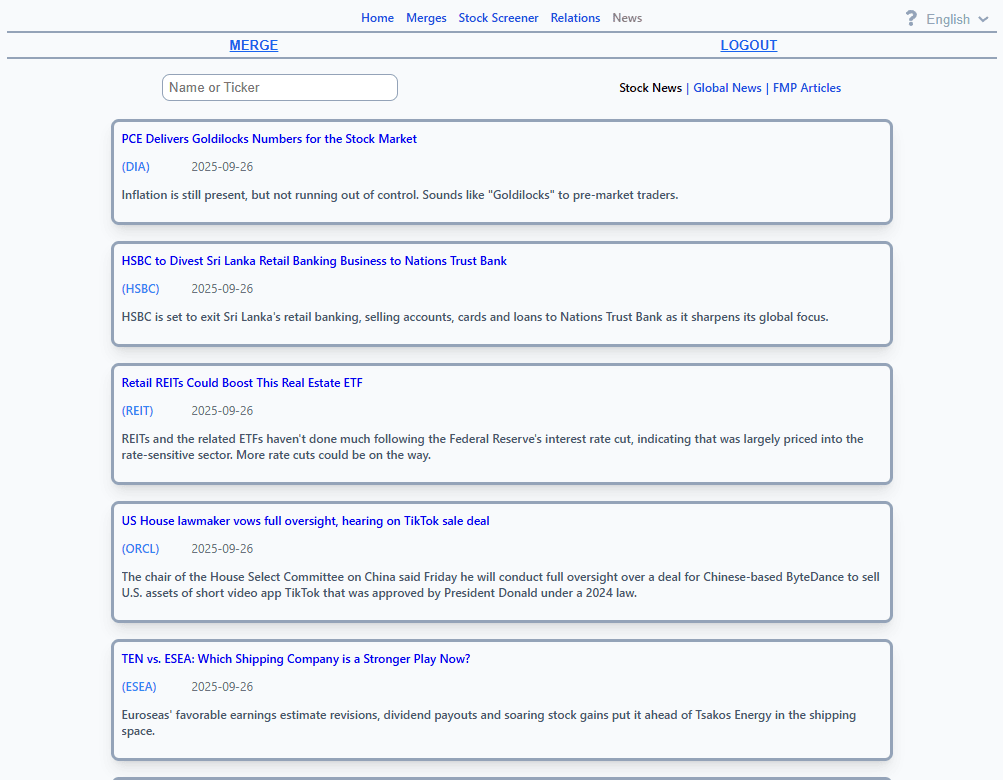
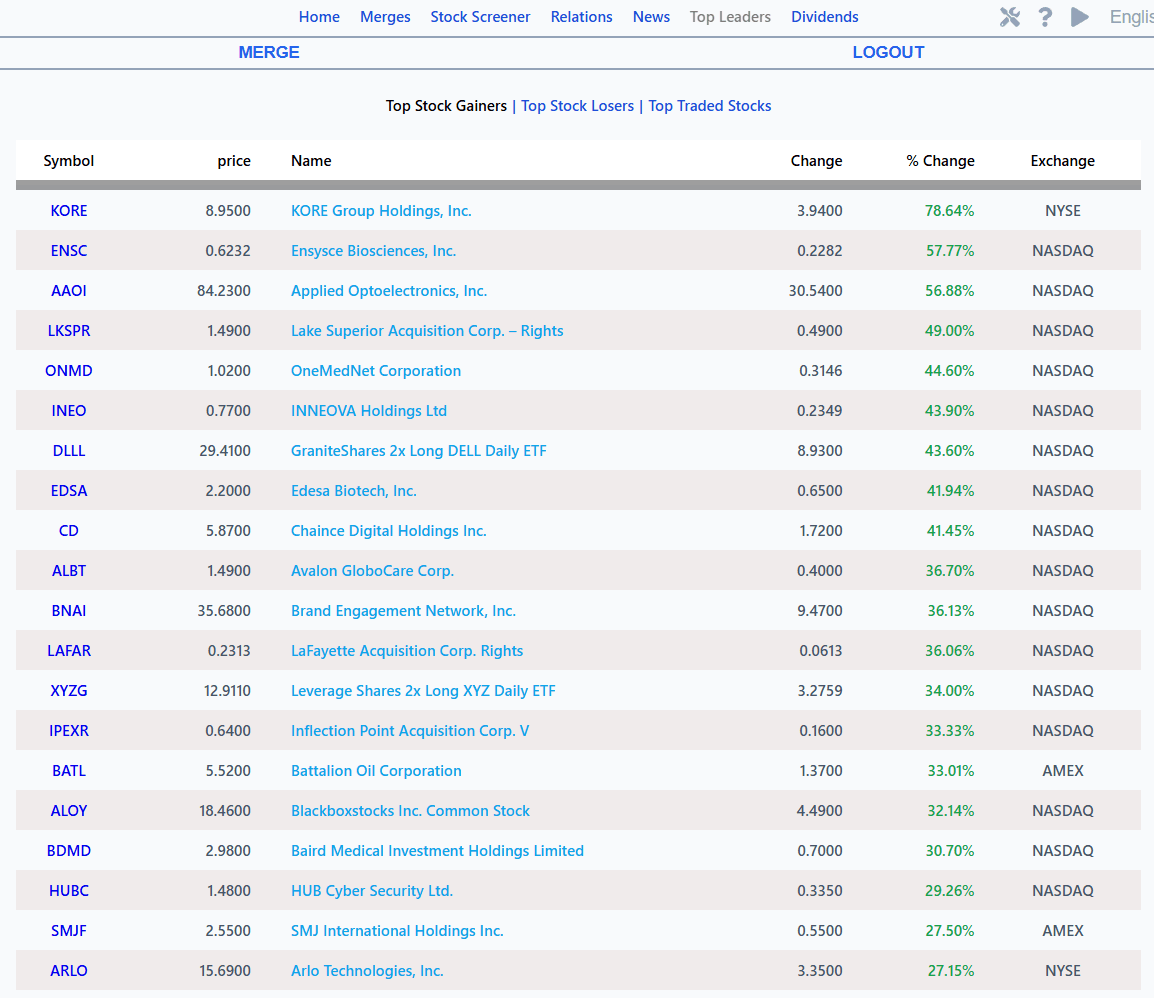
- Financial news integration.
Screenshots
Core features with AI
- The rule editor includes an AI chat option to assist with creating and modifying rules.
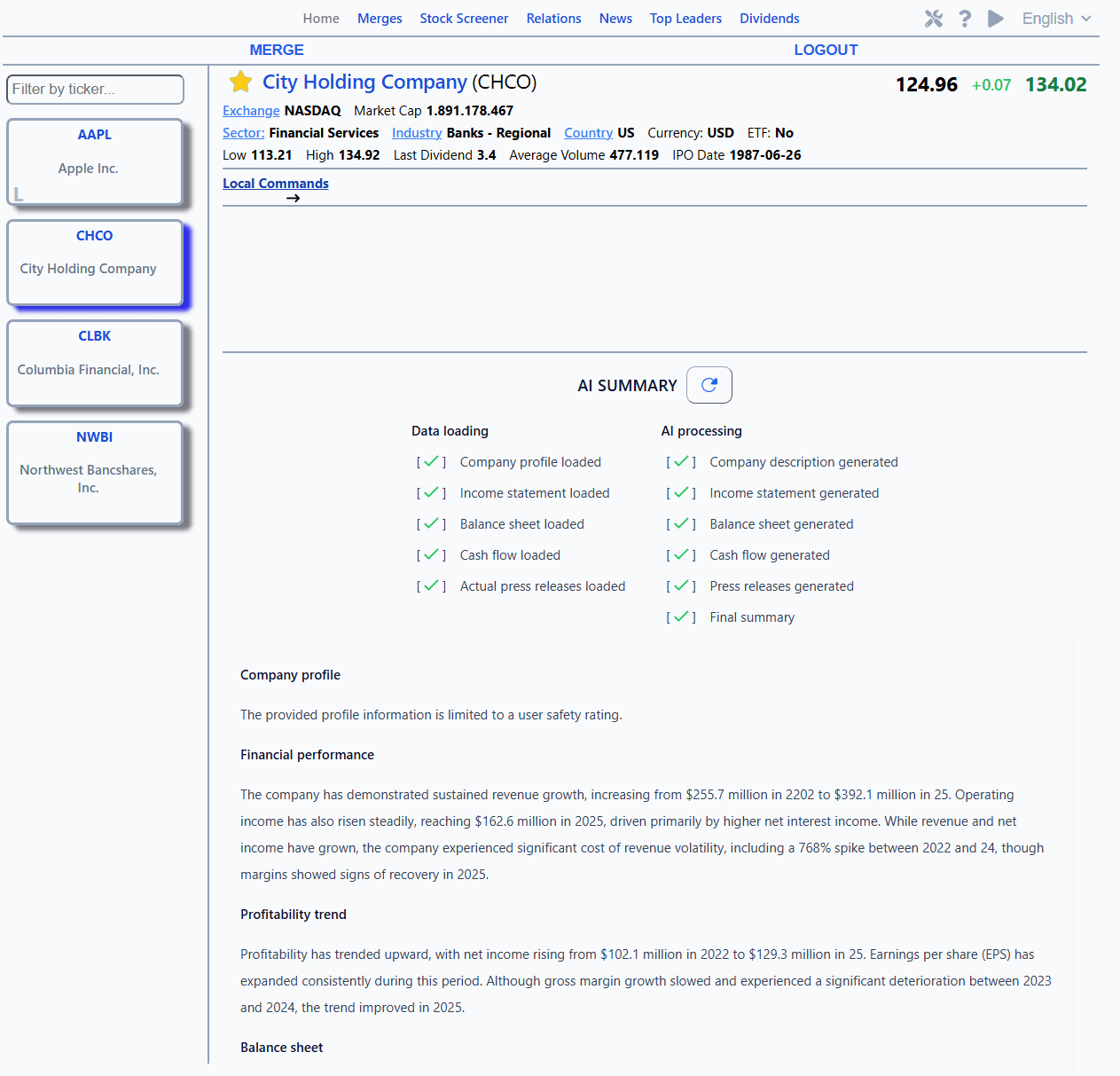
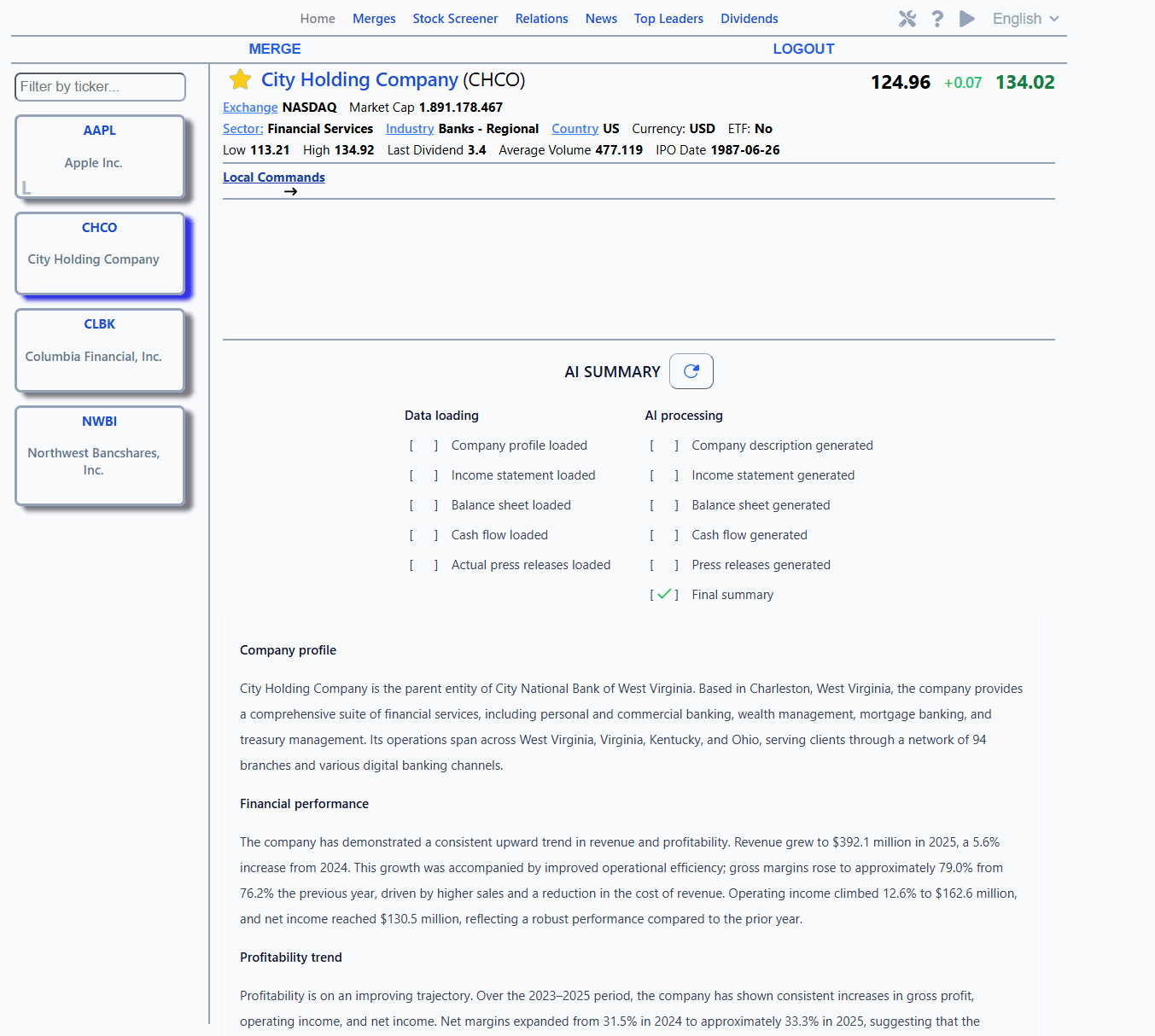
- AI-powered company summary implemented with LangGraph and LangChain. LangGraph orchestrates a state graph with parallel extraction nodes and AI analysis nodes running a maximum of 2 concurrent executions. A final node generates the summary using all information collected from previous nodes. LangChain manages model calls, prompts, and output handling. The result is streamed to the user step by step.
AI screenshots